EN
EN  IT
IT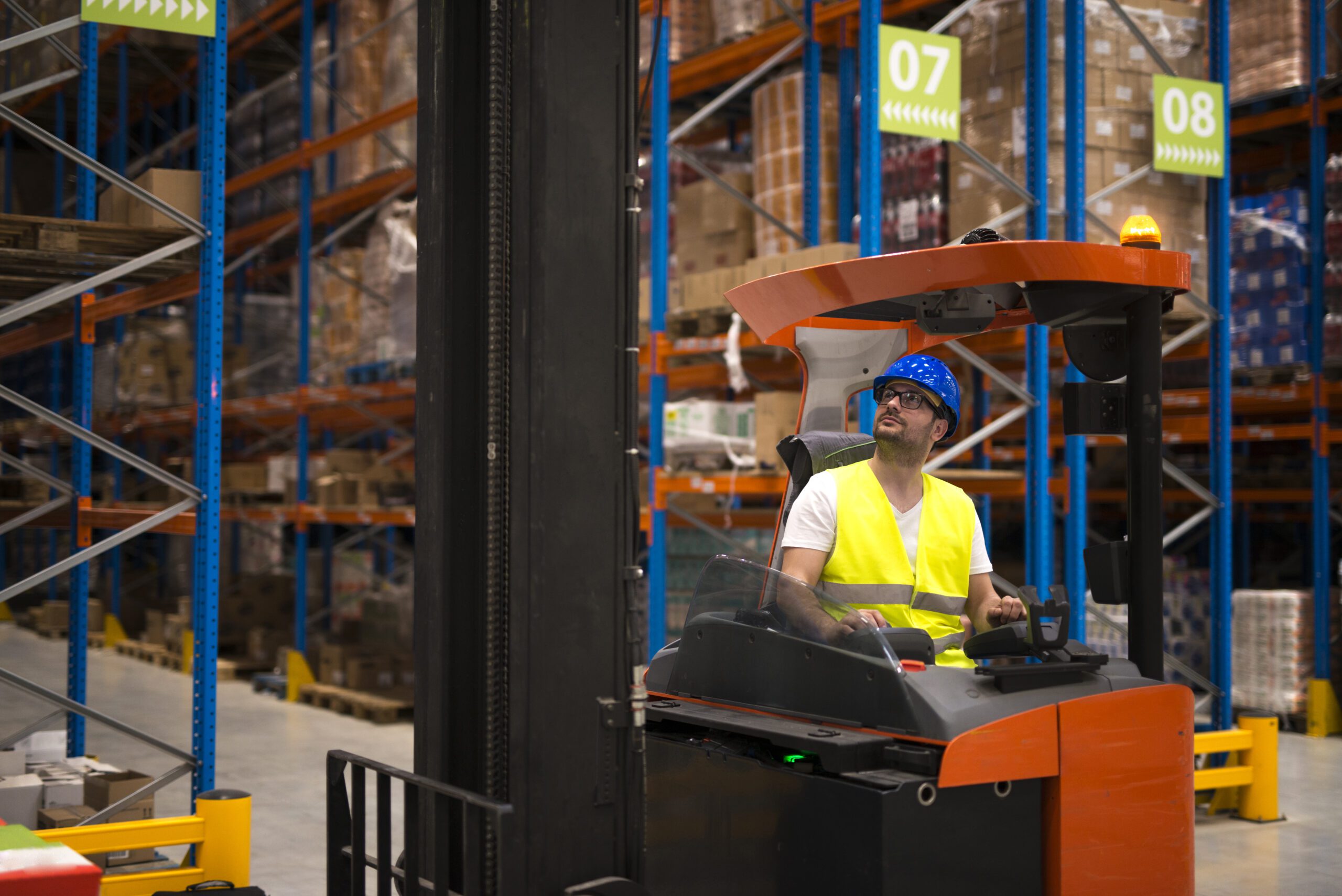

Warehouse picking: what it is, how it works and how to optimize it
Warehouse picking is a fundamental process in logistics and inventory and materials management for any company. It consists of collecting products from the warehouse based on received orders, and then shipping them to the end customer.
But how exactly does picking work, what are its different types, and how can it be optimized? Let’s find out together!
What’s warehouse picking?
Picking, in simple terms, is the activity of retrieving products from the warehouse to fulfill an order. This process may seem straightforward, but it is actually one of the most critical stages in a company’s distribution chain. Any error in picking can result in service issues, returns, and customer dissatisfaction.
In practice, picking is carried out by following a series of standardized operations that start with receiving an order, continue with selecting the products, and end with their packing and shipment. The way this process is performed can vary depending on the type of warehouse, the number of items to be picked, and the technology used.
Types of picking
There are different picking methods, each designed to meet specific business needs.
The main types are:
- Manual picking: the traditional method in which the operator retrieves products directly from the shelves, using a scanner to record the picked items.
- Cart-based picking: the operator uses carts or other equipment to transport the items during the picking process.
- Automated picking: this method uses mechanical systems, such as shuttles or robots, that automatically retrieve products from the shelves. It is much faster and minimizes errors.
- Zone picking: the warehouse is divided into areas, and each operator is responsible for picking within a specific zone. This system is useful when there are multiple orders at the same time.
- Batch picking: in this method, multiple items for several orders are picked at the same time. This approach is advantageous when handling orders with similar items.
How is picking carried out?
The picking process may seem simple, but it requires careful planning to avoid errors and inefficiencies.
Here’s an overview of the main steps:
- Order receipt: picking begins when the system receives an order containing information about the products to be retrieved.
- Picking area preparation: operators must be positioned in the most suitable picking zones to minimize the time needed to move between shelves.
- Product retrieval: the operator selects the products indicated in the order, using the chosen picking method.
- Check and verification: each picked item is checked to ensure it is the correct product, and is often labeled to identify the corresponding order.
- Packaging: once picking is completed, the products are securely packed for shipment.
- Shipping: finally, the items are sent to the customer or distribution center.
How to optimize warehouse picking?
Optimizing picking is a goal for many logistics companies aiming to improve efficiency and reduce costs. Here are some effective strategies to optimize picking:
- Process automation: investing in automated picking systems reduces the risk of human error and increases process speed.
- Warehouse organization: a well-designed layout can significantly reduce operators’ travel time. For example, the most frequently requested products should be placed in easily accessible areas.
- Supporting technology: the use of devices such as barcode scanners, voice picking systems, or mobile devices can speed up the process and improve accuracy.
- Staff training a well-trained team that understands picking techniques is essential to reduce errors and optimize time.
- Smart inventory management: implementing inventory management systems (WMS) helps monitor product availability in real time and minimize picking errors.
- Demand forecasting: accurate demand forecasting makes it possible to anticipate order peaks and optimize workflow, avoiding warehouse overload.
Armes solutions for optimizing picking
Armes supports companies in improving operational efficiency through tailored solutions that optimize every stage of logistics. It offers innovative storage systems, such as modular racking and automated storage systems to reduce picking times and improve inventory organization.
Armes solutions are designed to increase productivity and ensure an optimal workflow, helping to meet the specific needs of every company, whether dealing with limited space or large volumes.
Conclusion
Warehouse picking is a crucial activity for any company that manages inventory. Understanding how it works, its different types, and how to optimize it is essential to ensure that orders are fulfilled quickly and accurately. Automation, proper warehouse organization, and the use of the right technologies can make a significant difference, leading to substantial improvements in efficiency and a reduction in operating costs.


 Redazione
Dynamic warehouse: what it is, how it works, and when it’s truly worth it
READ THE ARTICLE Redazione
Automated storage: what it is, how it works and when it really pays off
READ THE ARTICLE