EN
EN  IT
IT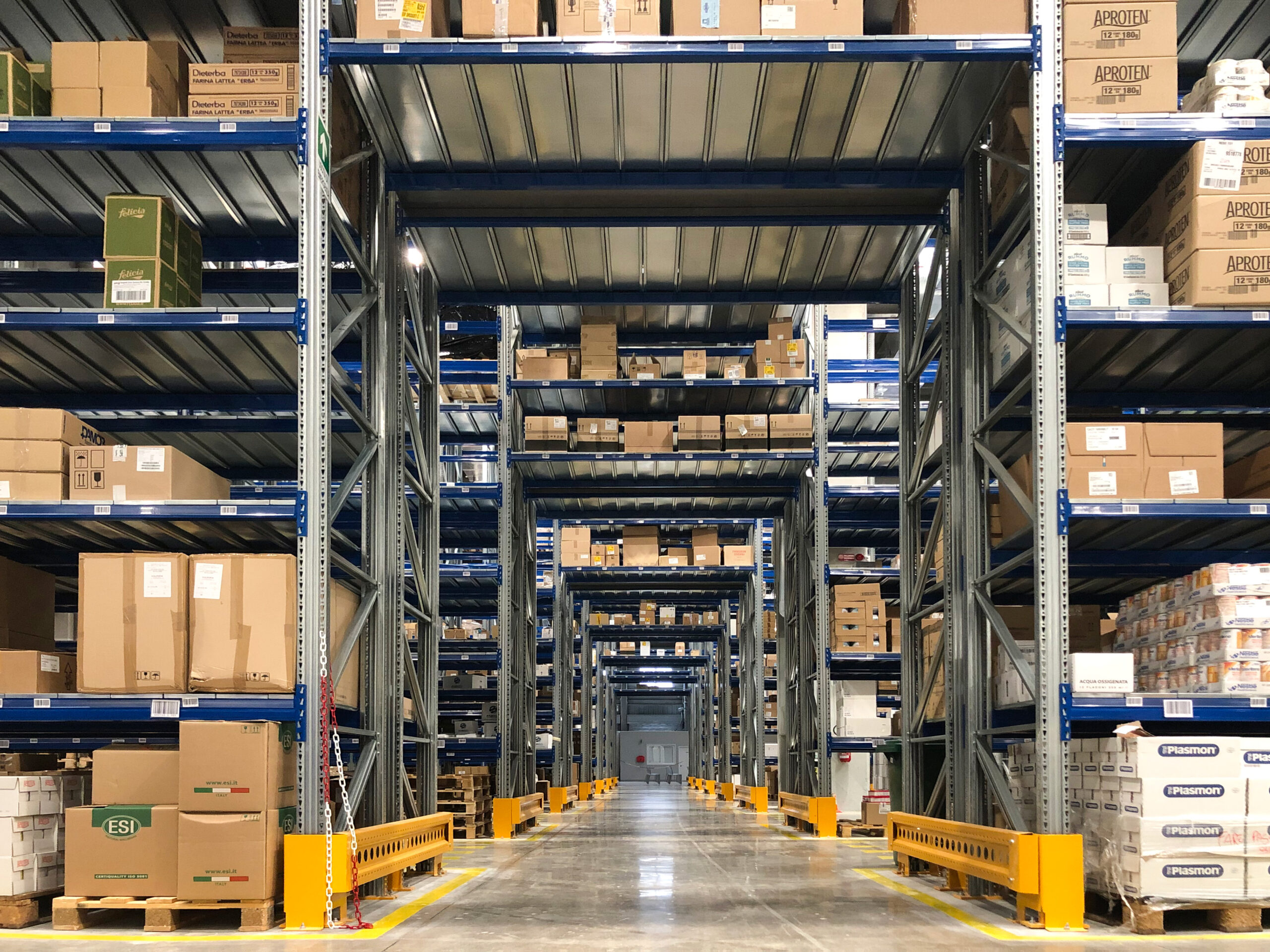

Seismic racking: a complete guide to regulations and safety
Seismic racking systems are essential for ensuring warehouse safety in earthquake-prone areas, preventing structural collapse and protecting both stored goods and personnel. While fires or falls are often considered the main warehouse risks, seismic activity is a real threat in Italy.
An earthquake can cause significant damage to both people and goods, triggering a chain of events that extends far beyond the warehouse itself.
Would you like to find out in detail how seismic racking systems can protect your warehouse and what solutions Armes offers to ensure maximum safety? Discover more in this article!
Seismic risk: potential consequences for your warehouse
Seismic risk represents a significant threat to our country. Its geographical position, located in the convergence zone between the African and Eurasian tectonic plates, exposes it to strong compressive forces that cause earthquakes.
These events can have devastating consequences, damaging infrastructure and buildings and putting people’s safety at risk. Therefore, to mitigate these impacts, it is essential to adopt preventive measures such as seismic racking systems, which ensure the protection of goods and workers during an earthquake.
In fact, if the racking structure is not designed to withstand seismic activity, the following risks may occur:
- Structural collapse: partial or total collapse of the racking system, resulting in damage to goods and serious risks for your employees. Goods may fall from the pallets, while the pallets themselves may slide within the rack.
- Pallet slippage: pallets may also fall out of the racking and into transit aisles, creating a potential hazard for personnel and causing damage.
Regulations and guidelines for seismic racking systems
The UNI EN 16681:2016 standard is essential for the seismic design of pallet racking systems. This standard establishes the structural requirements that racking systems must meet in order to withstand seismic forces during an earthquake. Some key aspects included in the standard are:
- Sizing of floor anchoring systems: racking systems must be securely anchored to the floor to ensure stability and resistance during a seismic event. Proper sizing of anchoring systems is crucial to prevent collapse or displacement.
- Geotechnical and structural analysis of industrial floors: before installing racking systems, it is important to conduct a geotechnical analysis of the ground and a structural analysis of the flooring. This helps determine the load-bearing capacity of the ground and identify the most suitable anchoring system.
Design of seismic racking systems
The safety of goods and people within warehouses and storage facilities is an absolute priority, especially in areas exposed to seismic risk. The careful design of racking systems plays a crucial role in ensuring stability and resistance during an earthquake.
Here are some important points to consider:
- High-strenght materials: choose racking systems made of high-strength structural steel. These materials provide greater robustness and resistance, which are essential for withstanding seismic forces.
- Regular inspections: carry out periodic checks to ensure that welds, bolts, and anchors are in good condition. Preventive maintenance is essential to avoid structural failures.
- Load distribution: make sure that loads are evenly distributed across beams and uprights. Avoid overloading or unbalanced loads that could compromise overall stability.
- Space planning: organize racking systems strategically, leaving adequate maneuvering space and aisles. This not only prevents collisions but also facilitates access to goods. We discuss this in greater detail in our article dedicated to warehouse design.
- Staff training: ensure that personnel are aware of safety procedures and know how to properly manage storage operations. Knowledge of safe practices is essential to reduce risks.
What are the main types of seismic racking systems?
The racking models most commonly adapted for seismic resistance, as they ensure safety within warehouses and storage facilities, are:
- Pallet racking: traditional systems that use uprights and beams to support pallets. These structures are highly stable and durable, and their design takes seismic safety requirements into account.
- Cantilever racking: these racking systems are designed to store very long and bulky items, ensuring the safety of stored goods even during an earthquake.
- Drive-in pallet racking: these systems allow pallets to be stored in depth, reducing the need for aisle space. These structures are also designed to provide excellent resistance to seismic movements.
Conclusion
To protect your warehouse or storage facility, make sure to comply with the UNI EN 16681:2016 European standard and implement all the necessary preventive measures.
Need the support of a team of professionals? Contact us for a personalized consultation: our experts will guide you in choosing the solutions best suited to your needs, helping you create a safe working environment that complies with current regulations.


 Redazione
Dynamic warehouse: what it is, how it works, and when it’s truly worth it
READ THE ARTICLE Redazione
Automated storage: what it is, how it works and when it really pays off
READ THE ARTICLE