EN
EN  IT
IT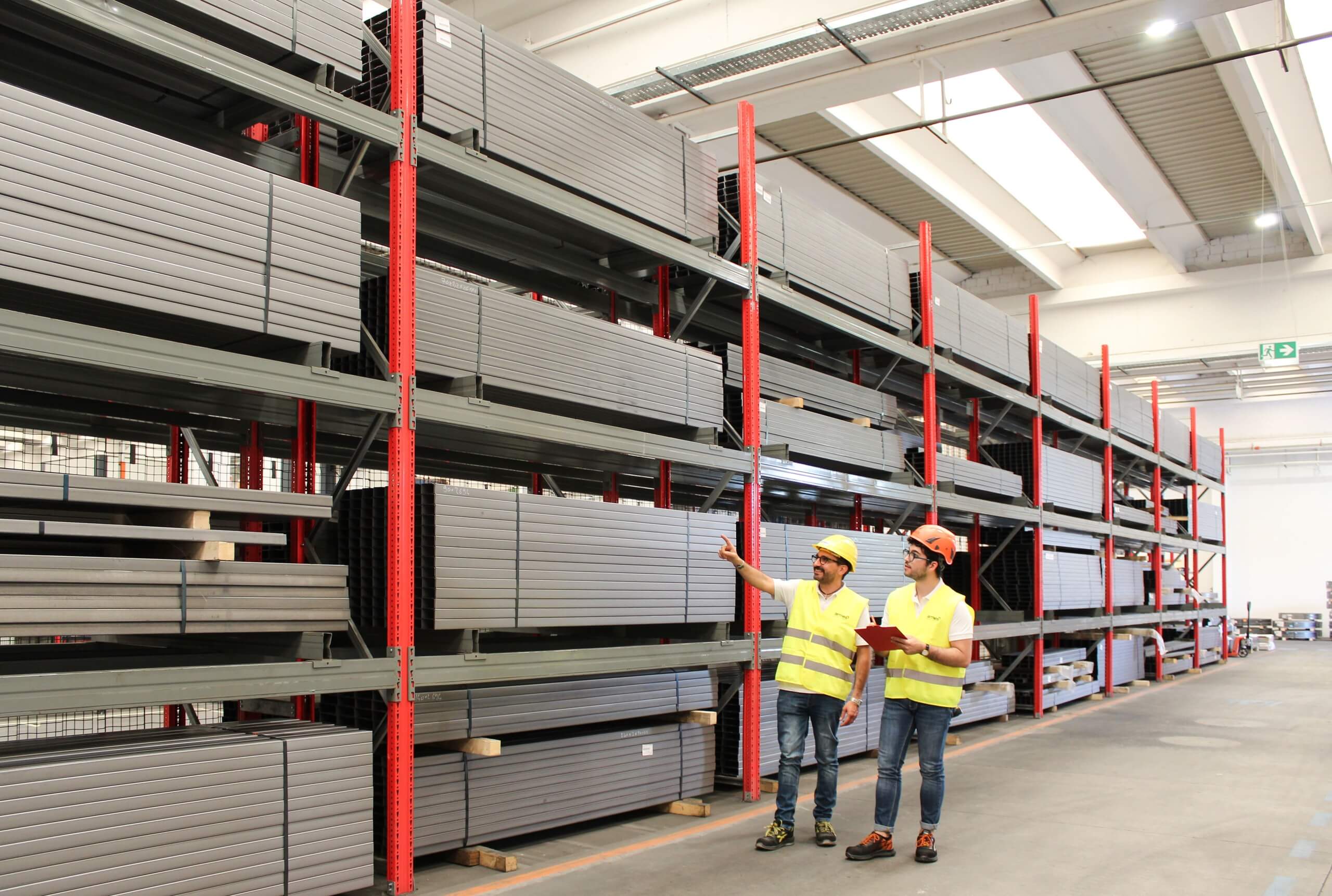

Warehouse safety: the regulations that must absolutely be followed
Warehouse safety is essential to ensure the physical well-being of operators, prevent damage to goods, and maintain optimal operational efficiency. For this reason, warehouse safety regulations are based on risk assessment and prevention, taking into account the specific characteristics of goods handling and the use of forklifts and pallet trucks.
- How to move safely within a warehouse? Here are the main regulations
- How to ensure proper goods storage?
- What rules should be followed for manual goods handling?
- How should forklifts be used safely?
- Defining emergency exits is essential for ensuring warehouse safety
- Bright, well-ventilated warehouses equipped with protective measures to ensure maximum safety
- So, how can potential warehouse risks be prevented?
- Conclusion
In this article, we will review the main safety rules that must be followed in a warehouse to ensure a consistently safe and efficient working environment. Read on to learn more!
How to move safely within a warehouse? Here are the main regulations
One of the first warehouse safety rules concerns movement within the aisles. All movement must be regulated to avoid collisions and accidents. Aisle widths must be adequate and compliant with current regulations to allow the safe movement of equipment, ensuring that the transportation and handling of goods can be carried out without difficulty.
In addition, it is essential to establish dedicated pedestrian walkways, keep aisles free from obstructions, and properly mark any changes in floor level. These measures help prevent accidents and improve workflow efficiency.
How to ensure proper goods storage?
Proper goods storage is crucial for warehouse safety. Loads must therefore be handled and stored securely, and properly fastened to prevent potential falls.
In addition, it is important to use storage systems that are suitable for the type of load being stored, such as Dimax shelving systems and gravity-fed systems (exceeding the maximum load capacity specified by the manufacturer is dangerous and must be avoided). Furthermore, it is essential that goods are correctly positioned on the racking system to ensure stability and safety.
What rules should be followed for manual goods handling?
Manual goods handling can represent a significant risk if not managed correctly. To increase safety, it is advisable to avoid manual handling whenever possible by using automated systems or mechanical aids.
When manual handling is unavoidable, loads should be moved without sudden movements or twisting of the torso. Work organization should include adequate breaks and limit the handling of particularly heavy loads, providing mechanical assistance where necessary.
How should forklifts be used safely?
Forklifts are among the most commonly used pieces of equipment in warehouses, but they can also be a source of danger if not operated correctly. Only trained and authorized personnel should operate forklifts. In addition, before use, it is necessary to check the maximum load capacity and ensure the proper functioning of the brakes, steering system, tires, and lifting mechanisms.
While driving, operators must always follow designated traffic lanes, maintain a safe distance from other vehicles, and pay particular attention at intersections and on ramps.
Defining emergency exits is essential for ensuring warehouse safety
Emergency exits are essential to ensure a quick and safe evacuation in the event of an emergency. This is why they must be clearly marked, easily accessible, and kept free from obstructions.
It is important that all employees are informed about the location of emergency exits and that regular evacuation drills are carried out to ensure that everyone knows how to act in case of necessity.
Bright, well-ventilated warehouses equipped with protective measures to ensure maximum safety
Good ventilation and lighting are essential to creating a safe and comfortable working environment. Ventilation must be sufficient to ensure adequate air exchange, preventing the accumulation of harmful substances.
Lighting must be adequate to allow workers to carry out their tasks safely, reducing the risk of accidents caused by poor visibility.
The use of personal protective equipment (PPE) is often necessary in warehouses. The most common PPE includes safety footwear, gloves, helmets, and safety glasses. It is important that workers are trained in the correct use of PPE and that the equipment is always kept in good condition. Proper use of PPE can prevent serious injuries and ensure the safety of warehouse operators.
So, how can potential warehouse risks be prevented?
Risk prevention is a fundamental aspect of warehouse safety. From this perspective, it is necessary to carry out a risk assessment to identify potential hazards and implement preventive measures. This assessment must take various factors into account, including the type of goods stored, working procedures, and the characteristics of the warehouse.
For example, toxic or flammable products require specific safety measures, as do outdoor warehouses compared to indoor facilities.
Conclusion
Ensuring warehouse safety requires the implementation of preventive measures, proper staff training, and the use of appropriate equipment. With its extensive experience and expertise in the design of racking and storage systems, Armes provides tailored solutions to optimize the efficiency and safety of your warehouse.
Its advanced solutions offer the possibility of creating automated indoor and clad-rack warehouses, making the best use of available space while ensuring maximum safety. Contact us for a personalized consultation and find out how we can help you!


 Redazione
Dynamic warehouse: what it is, how it works, and when it’s truly worth it
READ THE ARTICLE Redazione
Automated storage: what it is, how it works and when it really pays off
READ THE ARTICLE