EN
EN  IT
IT

Goods storage: how to do it in the best way
Goods storage is one of the most crucial aspects in managing an industrial warehouse. An inefficient storage system can lead to poorly utilized space, high operating costs, and safety risks for employees.
In this article, we will look at how to optimize goods storage in the best possible way to ensure efficiency, safety, and cost savings.
Goods classification
The first step for proper goods storage is classification. Not all goods are the same: some are bulky, others are fragile, some must be stored at controlled temperatures, while others are at risk of damage during handling.
Therefore, it is essential to classify goods based on characteristics such as:
- Size and weight: bulky or heavy goods require dedicated spaces and shelving systems, while lighter items can be stored more compactly.
- Type of material: fragile materials require storage systems that prevent damage, such as mesh shelving or protective containers.
- Environmental conditions: some products may require climate-controlled or humidity-regulated environments.
Proper classification helps in choosing the most suitable storage system and optimizing the available space.
Storage techniques
Now that we have seen how goods classification influences the choice of the best storage solution, let’s move on to examine the storage techniques and processes:
- Racking storage: static shelving, such as pallet racks or gravity flow racks, allows optimal use of vertical warehouse space, ensuring easy access and fast goods handling.
- FIFO (First In, First Out): with this technique, the first goods to enter are also the first to be picked. It is ideal for perishable products or those requiring rotation (e.g., food, pharmaceuticals, and sensitive materials).
- LIFO (Last In, First Out): nlike FIFO, with LIFO the most recently stored goods are the first to be picked. This technique is useful when products are not subject to expiration and when a different inventory management approach is preferred (e.g., long-life goods).
- Zone storage (o Random Storage): goods are stored in different areas of the warehouse based on available space rather than a fixed location. It is used when items are small or do not have specific handling requirements.
- Automated storage: advanced technologies such as automated warehouses, pallet shuttle systems, and pick-to-light solutions optimize storage processes by reducing errors and improving the speed and reliability of operations.
The choice of storage techniques depends not only on the type of goods and volume, but also on the inventory management strategy you intend to adopt.
Storage systems
Let’s now examine the different storage systems. The choice of each system depends on various factors, such as the type of goods, volume, picking frequency, and the need to optimize space.
The most commonly used systems are:
- Pallet racking: ideal for traditional warehouses, these provide a sturdy solution for storing palletized goods. They are height-adjustable, allowing them to be adapted to different load types.
- Gravity systems: used for storing goods that need to be picked in sequence. The system allows items to automatically slide toward the front of the rack, optimizing flow.
- Pallet Shuttle racking: a semi-automated system (or fully automated in the case of the 4-way shuttle) that optimizes space and improves efficiency, especially in high-density warehouses.
- Automated storage systems: a further evolution of storage systems, using robots and automation to manage the storage and retrieval of goods in an extremely efficient and fast way.
Each system has its own advantages, and choosing the most suitable one depends on the specific needs of each warehouse.
Optimization strategies
To optimize goods storage and improve operational efficiency, it is essential to adopt a strategic approach that takes multiple factors into account. Storage solutions must not only meet immediate needs in terms of space and accessibility, but also contribute to a smoother and safer workflow.
- Use of Warehouse Management Software (WMS): advanced software helps monitor the flow of goods in real time, reduce errors, and optimize inventory turnover.
- Space optimization: consider adopting mobile racking, mezzanines, or automated systems to make the most of the available space.
- Staff training: proper training for warehouse personnel ensures that goods are stored and retrieved safely and efficiently.
Even small improvements, such as the introduction of automated solutions, can lead to significant savings in terms of time and money.
Armes solutions
Armes offers a wide range of advanced solutions for goods storage, designed to meet the specific needs of every type of warehouse. Among the most innovative solutions are:
- Customized racking solutions: pallet racking, mezzanine floors e cantilver systems. Our industrial racking is designed to optimize available space and ensure safe and efficient goods management. Each system is customizable to meet the customer’s needs, allowing it to adapt to loads of various sizes and weights.
- Automated storage systems: we offer solutions such as Pallet Shuttle racking and automated storage systems, which minimize human intervention and improve the speed and accuracy of storage operations.
- Warehouse Management Software (WMS): we integrate our storage systems with advanced warehouse management software that monitors inventory in real time, optimizes goods flow, and improves operational efficiency.
Armes storage solutions are designed to ensure not only optimal use of space, but also maximum safety, reducing the risk of damage to goods and increasing overall warehouse productivity.
Conclusion
Efficient goods storage is essential to ensure a warehouse that is operational, safe, and productive. With the right classification, appropriate techniques, and the adoption of the best storage systems, it is possible to optimize space, improve management, and reduce operating costs.
Discover Armes storage solutions and contact us for a personalized consultation on the best storage system for your warehouse.


 Redazione
Dynamic warehouse: what it is, how it works, and when it’s truly worth it
READ THE ARTICLE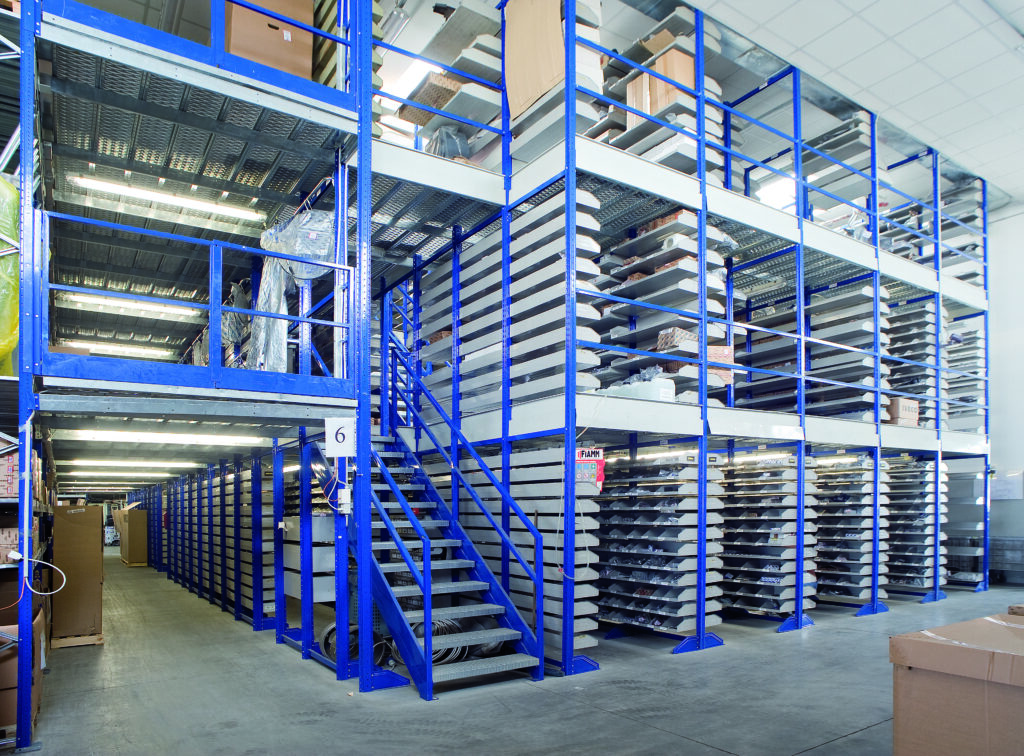 Redazione
Automated storage: what it is, how it works and when it really pays off
READ THE ARTICLE